From chemistry and conceptual process design toward detailed engineering and automation: chemical plants as open, machine-readable files in git, checked by tools and built on by engineers and AI agents alike, with every change and its author on record. An open toolkit and an open process database, maintained by a community.
Designing plants as code speeds up development and changes the way we work, and it makes process knowledge open to everyone.
Open by default
Process design data has largely been proprietary. Here the code is AGPL-3.0-or-later and the process data CC BY 4.0: an effort to make it openly accessible.
Every detail, not just the number
Inventory databases report results; the Atlas publishes the design behind them: flowsheet, P&IDs, equipment, assumptions and sources.
For engineers and AI
Open, machine-readable standard formats (DEXPI, YAML, life-cycle inventories for Brightway and openLCA): processes that engineers and AI agents can check, reuse and extend.
Built by a community, on record
Report errors, ask for processes, add your own. It is all in git: every change is kept with its author, reviewed in the open and credited.
50 processes, 182 recorded agent runs in 43 of them, about US$650 of recorded agent cost. 49 are concept-stage, one screening; none is independently reviewed.
The designs are AI-generated research output, not engineering advice: see thedisclaimer.
The paper
Artur M. Schweidtmann. ChemE-as-Code: An Open-Source Platform for Agentic AI in Chemical Engineering. Preprint, submitted to AIChE Journal, November 2026.
How AI agents carry out chemical engineering work on the platform and engineers check it, shown on a natural-gas ammonia plant developed from a written task to a preliminary basic-engineering package, and what the automated checks find and miss.
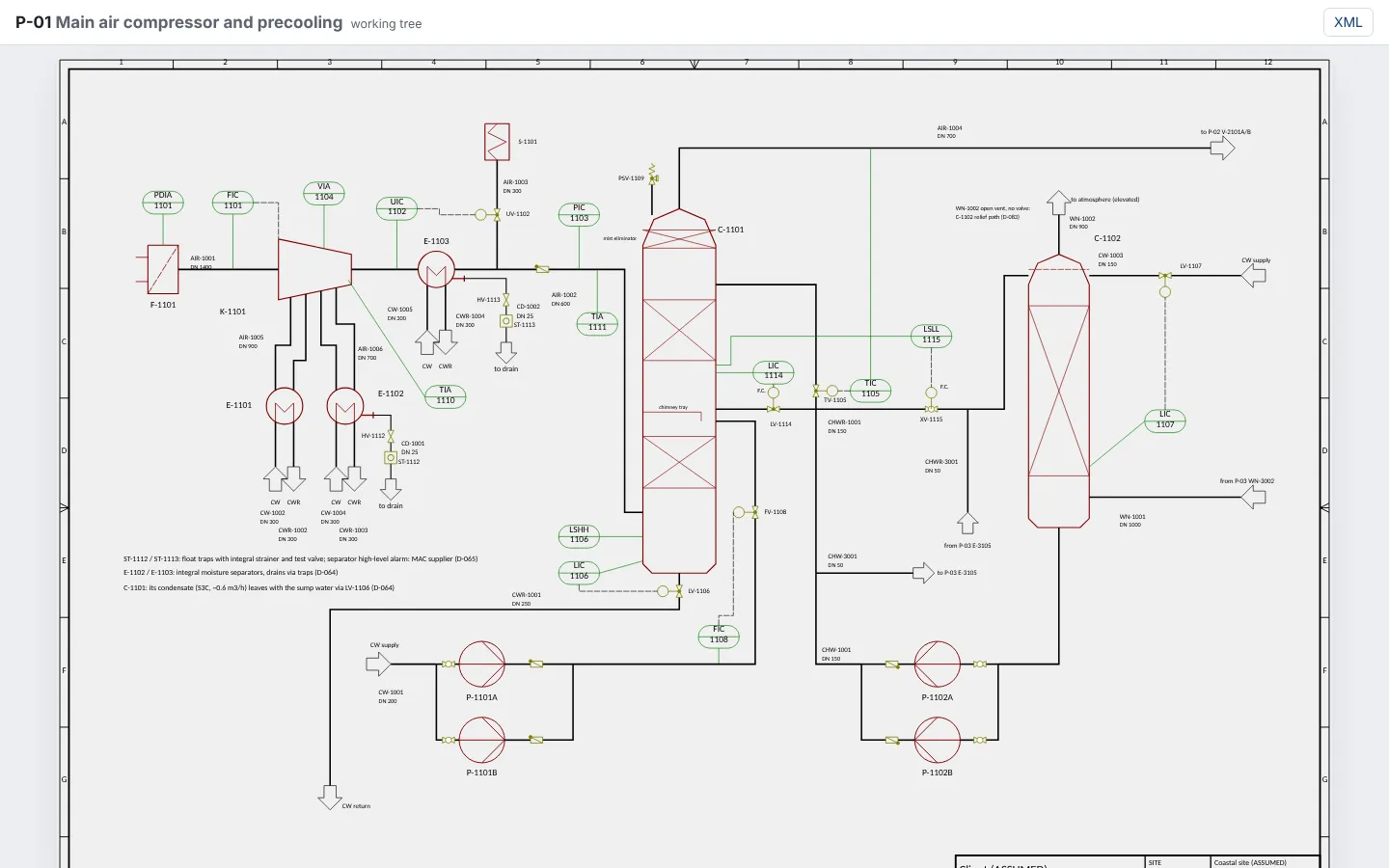
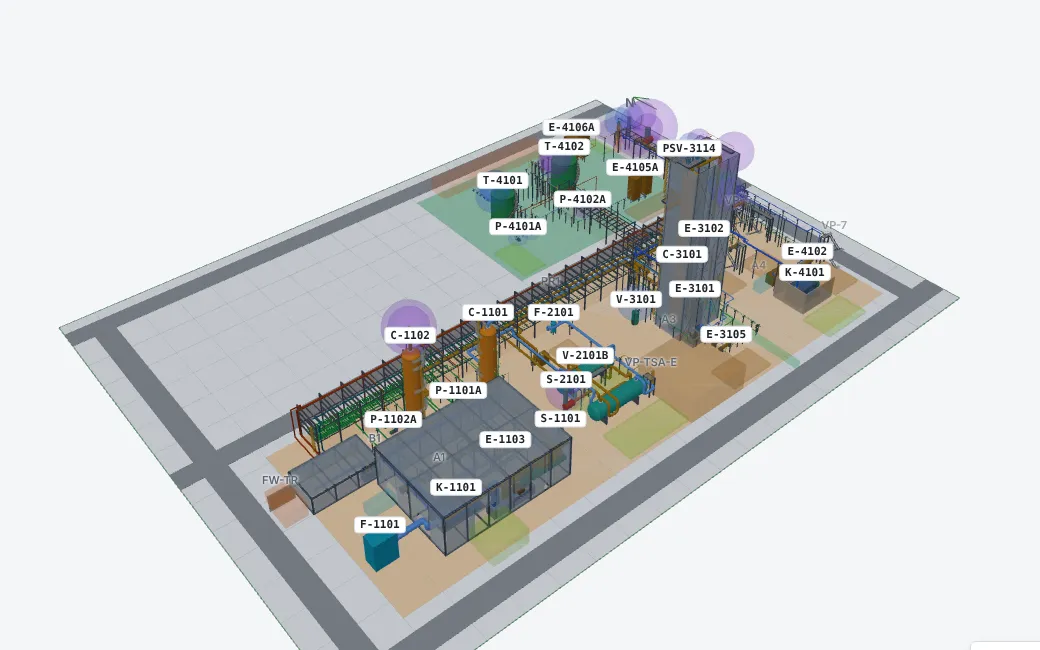
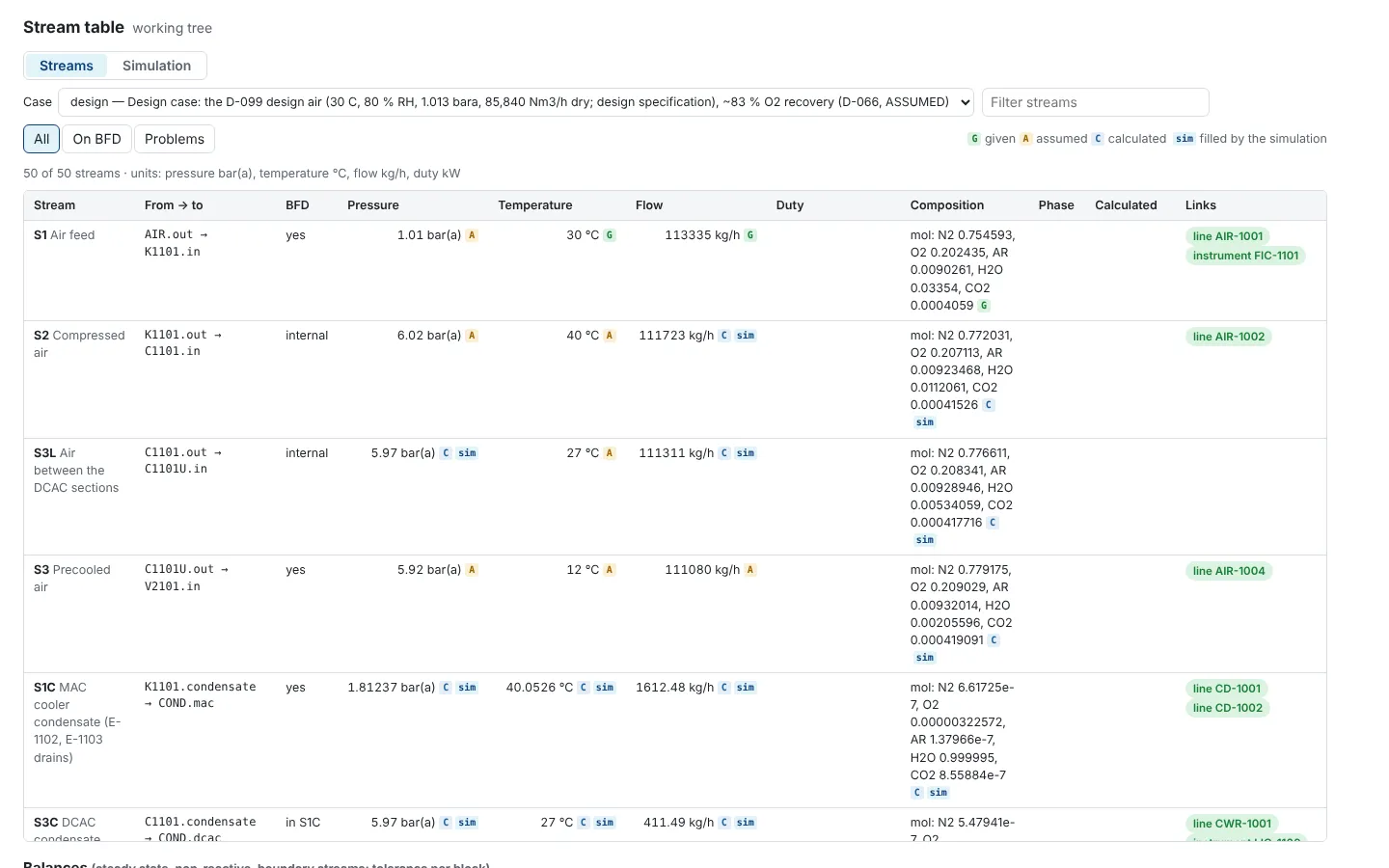
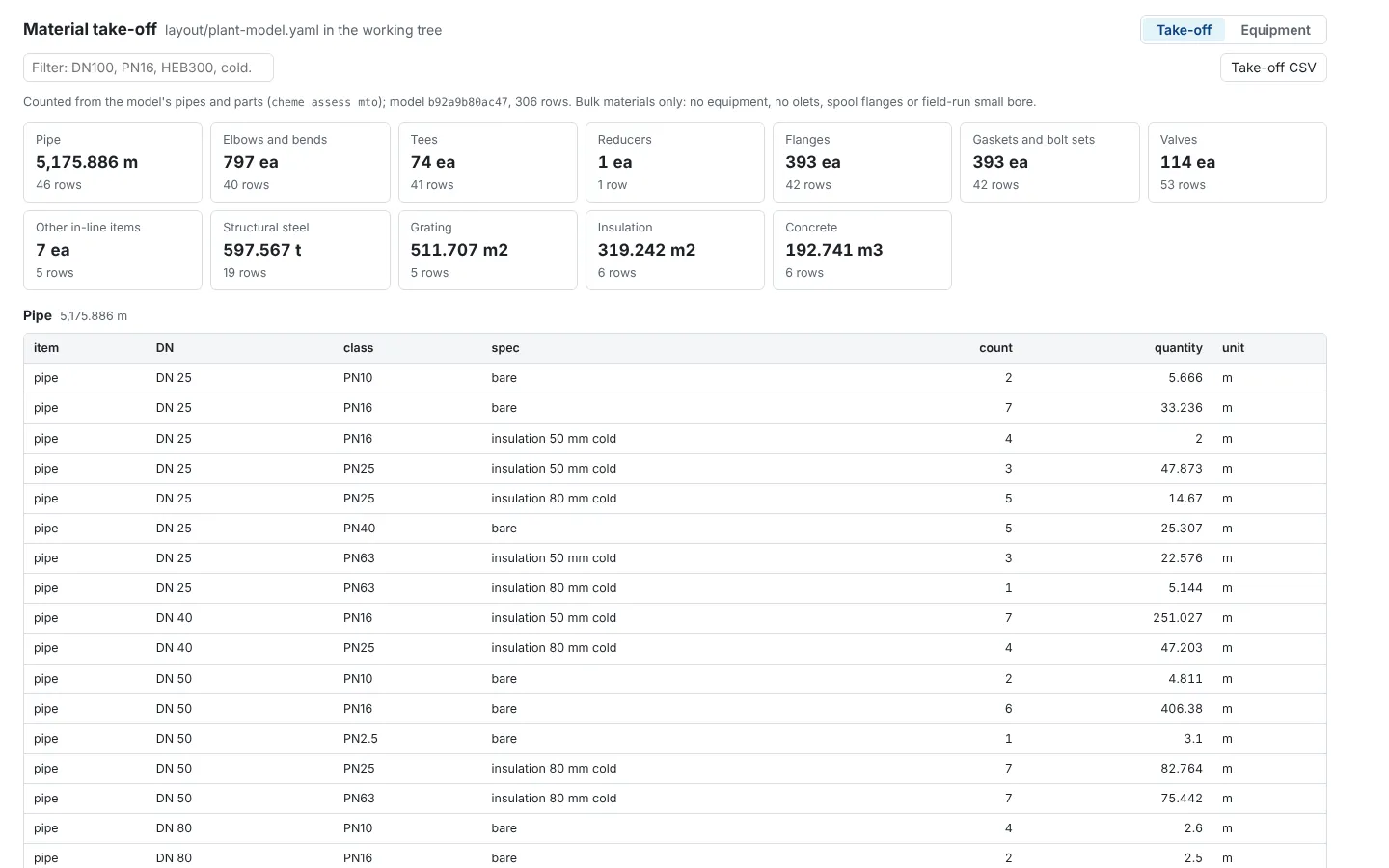
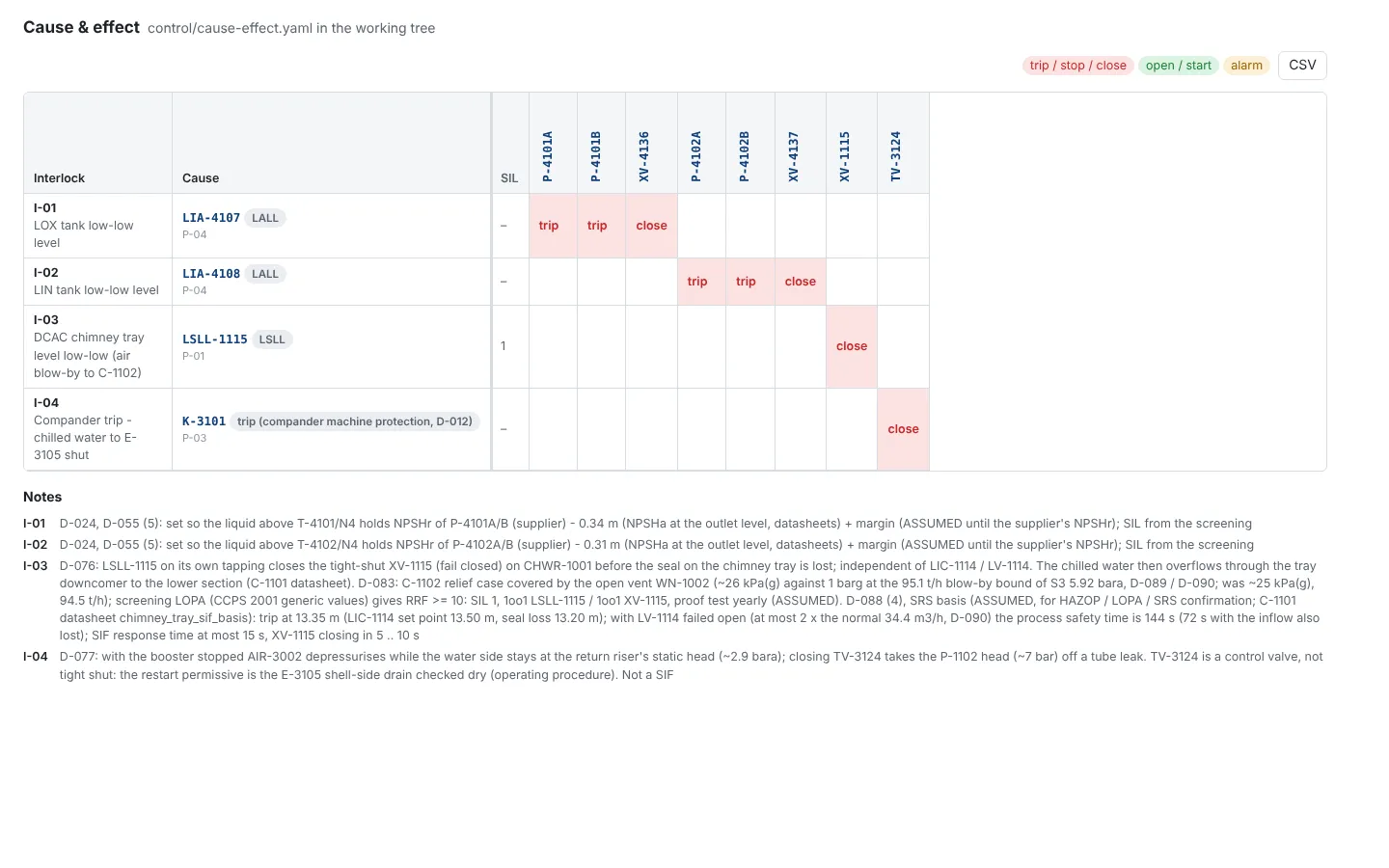
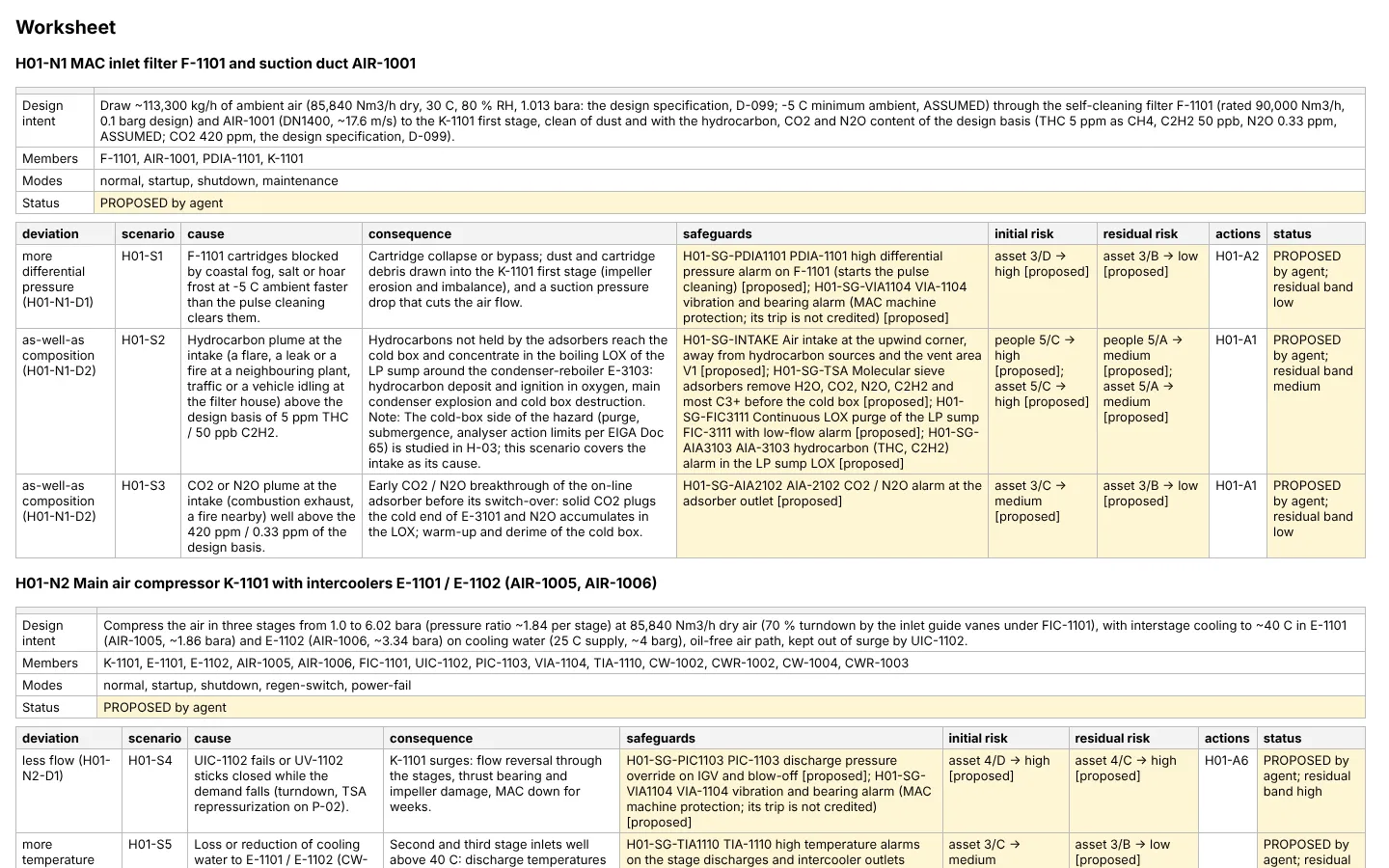
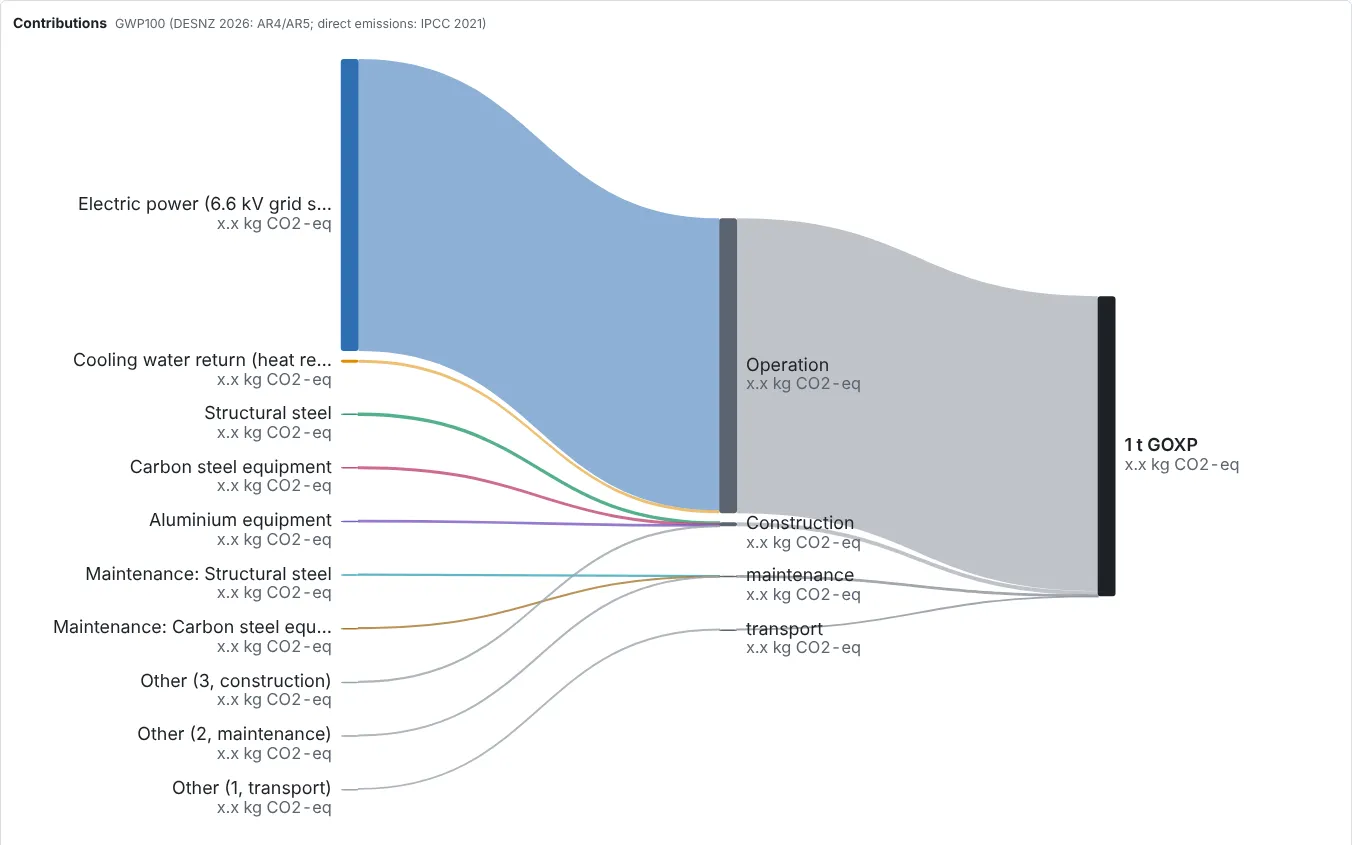
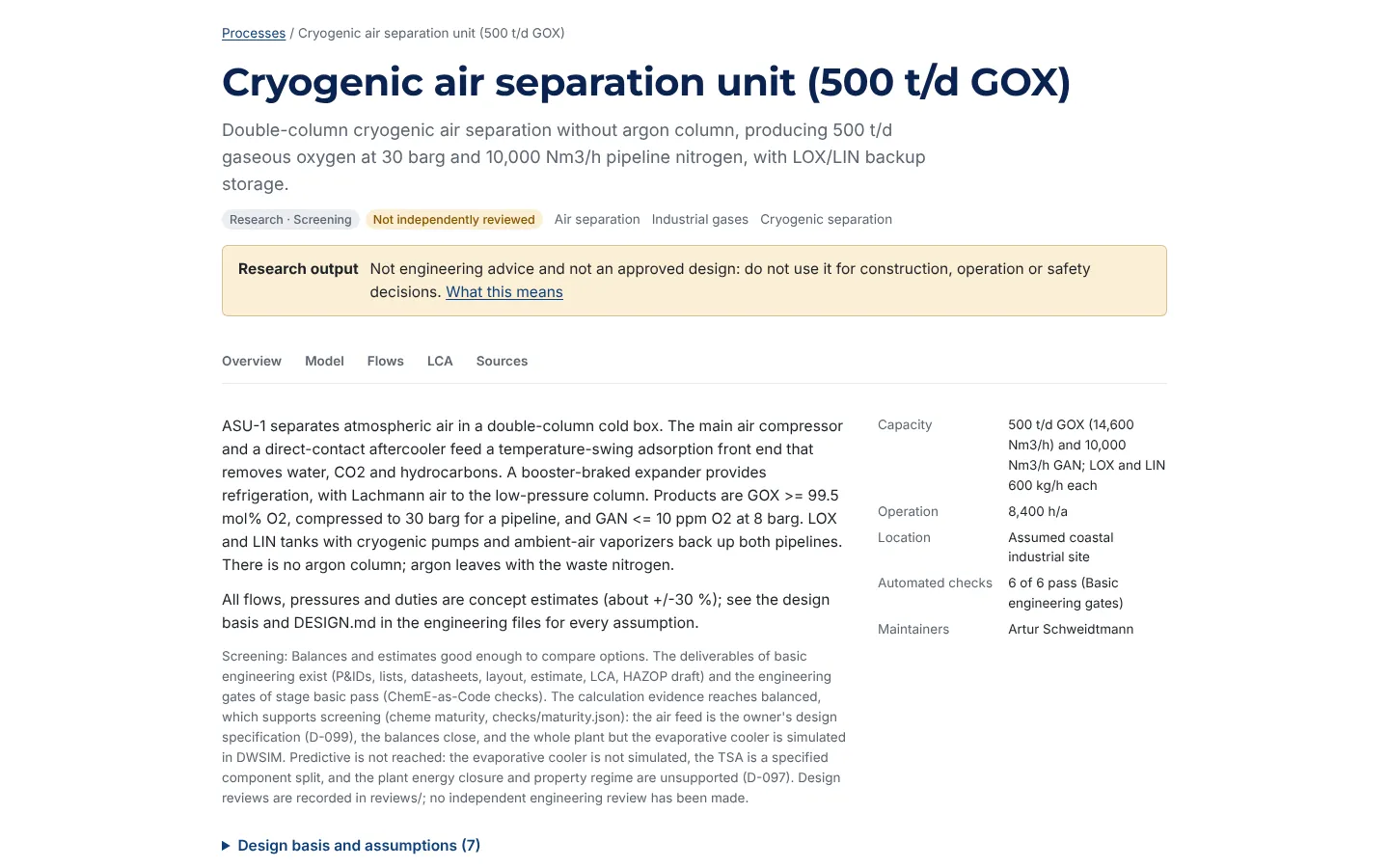
One air separation unit, kept as code: the same files give the drawings, the 3D plant, the stream table, the material take-off, the interlocks, a HAZOP draft, the life-cycle assessment and its page in the Atlas.
Viewer · P-01 main air compressorViewer · 3D layoutViewer · stream tableViewer · material take-offViewer · cause & effectHAZOP report · H-01 main air compressorDraft by an agent, not yet reviewed by a HAZOP teamViewer · life cycle assessmentProcess Atlas · ASU-1
What it is
Three parts that work on the same engineering files. The technical documentation and the code are under Code & Docs.
Engineering checks
cheme toolkit
Validates, formats, renders and diffs DEXPI 2.0.1 P&IDs; generates BFD and PFD from process models; builds a 3D layout model, a material take-off, a cost estimate and an LCA, with checks and sign-offs per engineering stage.
One engineering project in the browser: P&IDs you can click through, stream tables with provenance, the 3D plant layout, checks, LCA and every revision side by side.
A growing library of chemical processes: search them, follow chemicals from producer to consumer, see how mature each design is, and download open life-cycle inventories for Brightway, openLCA and other tools.
One versioned project carries a plant from its chemistry (reactions, catalysts and kinetics) through process simulation to engineering documents and control intent. A plant is a folder of plain files in git; cheme validate and the gates of each stage say what is inconsistent or still missing; the simulation, drawings, 3D layout, stream tables and footprints come from the same files; and reviewed changes feed the Process Atlas.
1Stage concept
Chemistry
Reaction engineering and catalysis
Reactions, stoichiometry and element balances
Catalysts and kinetics fitted to data
Reactor models and catalyst-bed profiles
Thermodynamic properties and models
2Stage concept
Process design and simulation
Flowsheet, balances and feasibility
Block flow diagram and plot plan
Material and energy balances, stream table
Process simulation (DWSIM), recycles converged
Calculation maturity from the evidence
3Stage basic
Basic engineering
Documents, layout and quantities
Process flow diagram and P&IDs in DEXPI
Equipment and line lists
3D plant layout and pipe routing
Material take-off
4Stage detail
Detail engineering
Datasheets and the whole plant routed
Equipment sizing and datasheets
Instrument list
Every line routed, utilities and small bore
Electrical interfaces and cable trays
5Within stage detail
Control and automation
From control intent to code
Interlocks and cause & effect matrix
Process narratives and control philosophynew
Control loops and operating sequencesnew
PLC Structured Text generationplanned
Across every stage
SafetyHazard data, area classificationHAZOP studiesnew
CostEstimate from the take-offTechno-economic analysis
Life cycleLCA and Brightway inventories
TraceabilityStage gates, reviews tied to revisions
available todayplanned or experimentalA stage is reached when its gates pass and it is signed off. What a project contains depends on how far it has been taken: not every process has every deliverable, and no generated design is construction-ready or independently verified.
Join in
ChemE-as-Code is a community effort. Report an error or ask for a process, improve a design, or add a process of your own: contributions go through the repositories on GitHub.